Zone Air vs MRCOOL DIY Multi Zone Mini Split 2026: Which One Should You Buy?
Choosing the right mini split system for your home can be quite the challenge, especially when balancing mechanical efficiency, aesthetics, and true DIY feasibility. In 2026, the market is flush with options, but two names keep popping up among homeowners looking to handle installation themselves: Zone Air and MRCOOL DIY Multi Zone. Both brands promise easier, cost-effective multi zone installations, but which one truly gives you a hassle-free DIY experience? And how do they stack up against third players like Pioneer in terms of flexibility and design?
In this comprehensive guide, we'll break down the pros and cons of Zone Air DIY multi zone systems versus MRCOOL DIY multi zone units, focusing on:
- True DIY vs. not-really-DIY mini splits
- Aesthetics and placement as decor decisions
- Line set strategy and leak risk
- Mixing air handler types on one condenser
By the end, you’ll have a clear idea of which best DIY multi zone mini split 2026 option suits your home renovation and system goals — without glossing over important technical realities.
True DIY vs Not-Really-DIY Mini Splits: What’s the Difference?
The biggest draw to MRCOOL DIY multi zone is its promise of fully DIY installation. It boasts pre-charged lines, quick connect fittings, and simplified electrical hookups almost anyone can follow. However, "fully DIY" may not be 100% accurate depending on your local regulations, and the installation still requires meticulous attention to line set coiling, refrigerant handling, and electrical code compliance.
Zone Air takes a different approach. Although their system also markets itself as an ideal DIY multi zone option, it leans towards a “build your own” custom experience. Using the Zone Air Build Your Own tool, customers can configure their ideal combination of outdoor condenser and up to 8 air handlers. This customization is fantastic, but the actual work demands more HVAC knowledge, especially when dealing with leak risk in line sets and combining air handler types.
Meanwhile, Pioneer offers cost-effective unit options, but their systems often require traditional installation by a licensed HVAC technician, making Click for source them less ideal for hands-on DIYers.
Key considerations:
- MRCOOL DIY multi zone: Best for homeowners wanting minimal refrigerant handling due to quick connect fittings, but always verify local permit codes.
- Zone Air DIY multi zone: Offers great customization but requires installing pre-charged lines yourself or involving a licensed tech at some points.
- Pioneer: More affordable, but mostly suited for those comfortable with professional installation.
Aesthetics and Placement: Mini Split as Decor
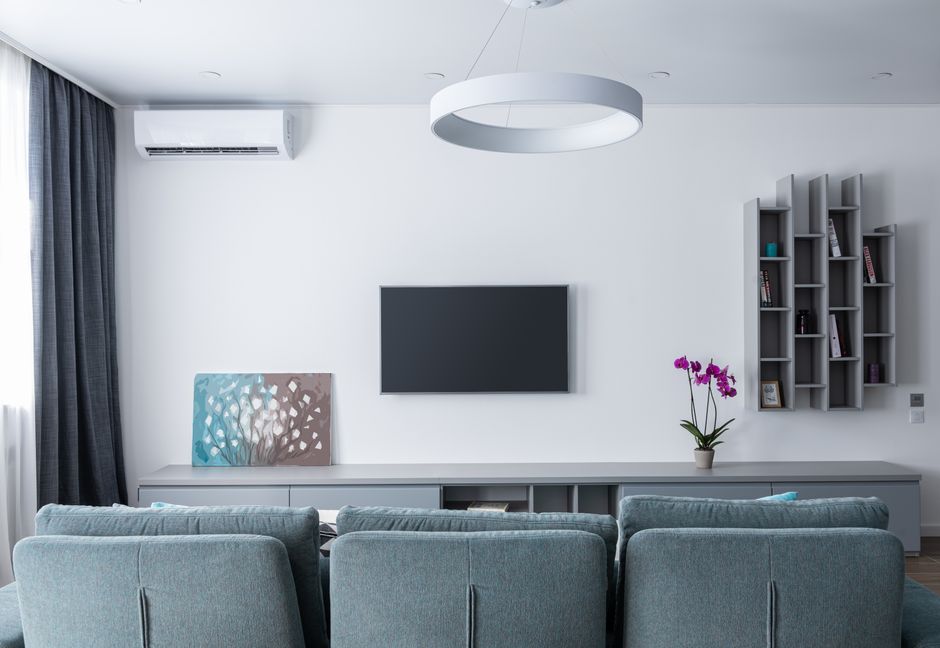
As a home decor blogger turned systems reviewer, I can’t stress enough that where you place your mini splits matters WAY beyond airflow. I always suggest using cardboard cutouts first to mock up the head placement on walls — it’s the quickest way to evaluate how these units fit visually with your trim, plaster, or gallery walls without permanent holes or ugly spots.

Zone Air ceiling cassette vs wall unit scores big points here because their multi zone setups come with a broad selection of air handler styles, including low profile and ceiling cassette options. You can mix and match head types using their Build Your Own tool, so your final look is cohesive and tailored to the room’s design.
MRCOOL’s multi zone air handlers are functional but more limited in design options. Their heads predominantly follow standard wall mount styles, which might clash with certain decor themes or original plaster wall textures in older homes.
Remember, the line hide — the conduits and line sets running to the outdoor condenser — also impact appearance, particularly on the patios or exterior walls. Zone Air tends to encourage a clear strategy combining line sets in a single chase or conduit trunking, which helps reduce clutter and hide unsightly coils or couplers visible from common outdoor seating areas.
Line Set Strategy and Leak Risk
This is an area that routinely gets glossed over in many “DIY” installation guides, but it can make or break your system’s longevity and peace of mind. Both MRCOOL DIY multi zone and Zone Air DIY multi zone systems use pre-charged lines to facilitate installation. However, the handling and routing of these lines deserve careful planning.
Quick connect fittings on MRCOOL systems are excellent for beginners, reducing the need to braze or flare copper joints, but come with a caution: repeated disconnections or improper seating can increase refrigerant leak risk. This means choosing the final unit placement carefully upfront is crucial.
Zone Air’s modular build approach can mean more line set assembly steps on-site — including coupling multiple line sets if you’re extending runs. If you're not an HVAC tech, these couplers and line coil management can pose problems. Coiled or looped lines need proper securing and minimal bends to reduce stress and potential refrigerant leaks over time.
As a pet peeve, I always emphasize that any mini split project involving significant lineset coiling, couplers, or modifications should at minimum consult a licensed HVAC pro. DIY does not mean skipping the expertise where safety and long-term functionality are concerned.
Mixing Air Handler Types on One Condenser
For a truly customizable multi zone installation, the ability to mix and match air handler types on a single condenser can maximize comfort and complement your home's layout.
Zone Air stands out here, as their Build Your Own tool explicitly supports combining low wall mounts, ceiling cassettes, floor mounts, and even ducted versions on one outdoor condenser. This flexibility lets you zone each room according to its needs and your design vision.
MRCOOL DIY multi zone currently offers a more limited selection of air handlers within their DIY line, mostly focusing on wall mounts. For people with specialized design or airflow needs, this limitation can be a dealbreaker.
Pioneer users generally must stick to uniform handler types for each condenser, making them less versatile unless you choose multiple condensers.
Summary: Best DIY Multi Zone Mini Split 2026—Which One Should You Buy?
Feature Zone Air DIY Multi Zone MRCOOL DIY Multi Zone Pioneer True DIY Feasibility Moderate; customizable but requires some HVAC skills High; pre-charged quick connect for easy hook up Low; mostly pro install needed Air Handler Variety Wide (wall, cassette, floor, ducted) Limited (mostly wall mount) Limited (usually uniform type) Aesthetic Choices Excellent; matching design options + line hide strategy Good; simple wall mount, fewer customization options Basic; less variety Line Set Handling Requires attention for couplers, leak risk if not careful Easy, but quick connect fittings need careful final positioning Traditional copper lines, professional install recommended Mixing Air Handlers on One Condenser Supported and encouraged Limited Not typically supportedFinal Thoughts
If you’re shopping for the best DIY multi zone mini split 2026 with a strong emphasis on customization, mixing handler types, and design considerations, Zone Air DIY multi zone is truly the standout solution — so long as you’re ready to invest some effort or bring in a licensed HVAC technician for the more technical aspects.
On the other hand, if you want a straightforward, streamlined DIY installation with pre-charged lines and quick connect fittings, MRCOOL DIY multi zone is a solid choice — but expect fewer handler styles and plan your layout carefully to minimize changes after hookup.
For budget-conscious buyers willing to rely on professional installers, Pioneer might appeal, but it won't deliver the same DIY-friendly experience or aesthetic flexibility.
Don't forget: No matter which mini split you choose, always test your air handler placement on the actual walls using cardboard cutouts, double-check how the line hide will look from your patio or exterior seating, and avoid the all-too-common mistakes I list as ‘things that ruin a gallery wall’, such as placing bulky or awkwardly positioned heads near your art collection.
Happy cooling and heating setup!