How Do You Center Two Mirrors Over a Double Vanity?
Designing a bathroom with a double vanity offers exciting opportunities for symmetry, style, and functionality. One of the key elements that can make or break the visual and practical harmony of your bathroom is the placement and sizing of the mirrors. Centering two mirrors over a double vanity isn’t just a matter of eyeballing it—it requires thoughtful consideration tied to lighting layout, mirror types, placement heights, and wall space for sconces or other fixtures.
Drawing on standards from industry leaders like the National Kitchen & Bath Association (NKBA) as well as products from top lighting brands such as Golden Lighting and Lumens, this article breaks down the key steps and best practices. We’ll also discuss collaboration with specialists like glaziers for precise glass templating and electricians for hardwired LED mirrors and lighting feeds.
Understanding Mirror Types: Functional Decisions First
Before jumping into measurements and layout, it’s vital to pick mirror types mirror shape for small vanity that work best for your specific needs. Different designs influence mounting options, lighting, and storage.
Common Bathroom Mirror Types
- Framed Mirrors: Traditional style, easy to install, but frames can degrade over time in humidity
- Frameless Mirrors: Sleek, modern look. Often require glazier expertise for clean edges and durability
- Medicine Cabinet Mirrors: Provides concealed storage but impacts sizing and mounting depth
- Backlit LED Mirrors: Integrated lighting improves task visibility; requires electrician for hardwiring
- Demister Mirrors: Heated mirrors with anti-fog feature, excellent for humid bathrooms
Decide on mirror lighting before settling mirror width and shape—this avoids awkward compromises. For example, if installing hardwired LED mirrors from Lumens, confirm electrician access to junction boxes and wiring feeds early in the planning. Incorporate a glazier to template and install tempered plate glass perfectly sized and edge-finished for frameless options.

Sizing Rules Linked to Lighting and Vanity Dimensions
One of the most common errors when centering two mirrors over a double vanity is ignoring the interplay between mirror widths and the lighting layout. The National Kitchen & Bath Association (NKBA) offers clear guidance on these proportions.
Element Recommended Size/Spacing Notes Mirror Width per Basin 60%–75% of basin width Ensures enough reflective area without crowding sconces Space Between Mirrors Minimum of 4–6 inches Allows room for sconce or centered lighting fixture Sconce Spacing 28–36 inches from center of basin Measures horizontal placement for balanced task lighting on mirrors Mirror Height Typically 30–36 inches tall Adjust for user height and mounting height of vanity countertop (~36 inches)Example: For a 60-inch double vanity with two 18-inch basins spaced evenly, choose mirrors about 12 to 14 inches wide each rather than the entire basin width. This leaves room on both sides for sconces, preferably from Golden Lighting's collection, that wrap the mirror with soft, glare-free task light.
Placement Heights and Sconce Spacing: Centering for Symmetry and Function
Achieving double vanity mirror symmetry means aligning mirrors not only horizontally but also vertically with respect to the user and lighting fixtures.
Mirror Height Placement
As a basic rule, the center of the mirror should be roughly at eye level, which averages about 57–65 inches above the floor. Start by measuring 36 inches from the floor to top of vanity countertop, then add mirror height accordingly. This ensures comfortable sightlines for grooming without awkward stretching or bending.
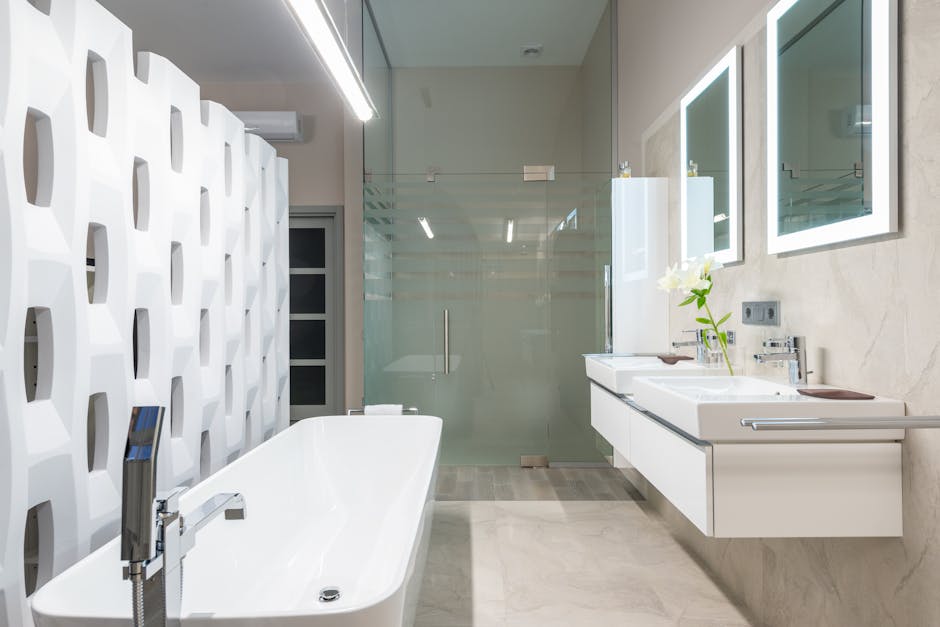
Pro tip: If your vanity countertop height deviates from standard, or if multiple users vary significantly in height, opt for mirrors with storage behind (medicine cabinets) or adjustable lighting to compensate.
Sconce or Wall Light Spacing
The NKBA recommends placing sconces about 28 to 36 inches from the centerline of each basin and 60 to 66 inches above the floor. This spacing creates shadow-free, flattering illumination for tasks like shaving or applying makeup.
Want to know something interesting? when using sconces by golden lighting or similar, confirm they work harmoniously with the mirror shape. Oversized mirrors that extend over sconces tend to look cramped and compromise lighting effectiveness. Keep sconces visible and not blocked by mirror edges.
Horizontal Centering of Mirrors
Center mirrors on basins, not just the vanity as a whole. This subtle but critical distinction maintains alignment of reflective and functional zones.
- Measure basin centers and mark lines for mirror placement accordingly
- Maintain a consistent gap (4-6 inches) between mirrors unless framed by sconces or integrated backlighting
- Ensure mirror widths accommodate sconce installation zones
Failing to center mirrors on the basins can lead to lopsided lighting and awkward reflections, ruining both aesthetics and utility.
Task Lighting vs Ambient Lighting: Balance Is Key
Lighting around mirrors is not just for decoration—it dictates usability. Discuss lighting types with your electrician during planning, especially when including hardwired LED mirrors or additional feeds for sconces.
Task Lighting
Task lighting offers bright, focused illumination needed for activities at the sink. Good task lighting over double vanities is typically provided by wall sconces on each side of the mirror or integrated LED strips within mirrors sourced from manufacturers like Lumens.
Benefits include
- Reduces shadows on the face
- Produces accurate color rendering (preferably CRI above 90)
- Can be dimmable for adjustable comfort
Ambient Lighting
Ambient lighting provides overall illumination to the bathroom and complements task lighting. Avoid relying solely on ceiling fixtures or recessed lights, as they create unflattering shadows around the face.
Consider a layered lighting design where environmental lighting works with mirror sconces and backlit mirrors. Collaboration with your electrician ensures proper placement of additional feeds, switching, and compatibility—especially for mirrored units with integrated LED panels.
Working with Specialists: Glaziers and Electricians
Glazier Role
When installing frameless or custom-shaped mirrors, a skilled glazier is essential. They
- Template precise measurements directly on walls
- Cut tempered plate glass with clean, sealed edges resistant to humidity damage
- Install mirrors ensuring flush mounting without warping or instability
Early involvement prevents installation errors that cause reflection distortion or damage over time.
Electrician Role
Planning for modern mirrors often means dealing with anti fog mirror demister pad lighting feeds, particularly for hardwired LED mirrors and illuminated sconces from suppliers like Golden Lighting and Lumens. Your electrician should
- Run wiring for centered mirror lighting, ensuring switches are conveniently located
- Coordinate power needs of mirrored demisters or LED backlighting
- Verify safe installation compliant with local codes and moisture-rated fixtures
Always confirm wiring pathways before wall finishing or mirror installation to avoid expensive rework.
Common Pitfalls: What to Avoid
- Oversized Mirrors: Avoid mirrors that fill the entire double vanity length, crowding sconces and limiting task lighting.
- Ignoring Sconce Space: Placing mirrors without accounting for wall sconces results in awkward lighting or the need to compromise mirror size.
- Unequal Mirror Heights/Widths: Maintaining identical mirror heights and proportionate widths maintains the symmetry essential for double vanity design.
- Skimping on Mirror Lighting: Backlit LED mirrors require proper electrician planning; plain mirrors with side sconces deliver better task illumination.
- Using Cheap Frames or Unsealed Edges: Invest in quality framed mirrors or professional glazier work to avoid moisture damage.
Summary: Your Checklist for Centering Two Mirrors Over a Double Vanity
- Select mirror type and lighting style first. Choose LED backlit, framed, or medicine cabinet based on function.
- Consult NKBA sizing guidelines. Mirror width ~60–75% basin width; leave space for sconces.
- Mark basin centers precisely. Center mirrors on basins, not vanity edges.
- Set mirror heights so centers align at eye-level (57–65” above floor).
- Position sconces 28–36” from basin centers at about 60–66” height.
- Engage a glazier for precise glass templating and installation.
- Work with an electrician early. Coordinate power for LED mirrors and lighting circuits.
- Avoid oversized mirrors that crowd sconces. Keep symmetry and lighting balance.
- Choose durable materials suited to humidity. Seal edges and avoid cheap frames.
Centered and well-sized mirrors combined with properly spaced lighting from brands like Golden Lighting and Lumens transform your double vanity from a mere fixture into the centerpiece of your bathroom sanctuary. Use the above guidelines to strike the perfect balance of form and function.
For further reference and detailed layouts, check the National Kitchen & Bath Association (NKBA) design standards—considered the gold standard in bath design.
Demister yes. Dashboard maybe. Always center on basins.