How Do I Keep Neighbors Happy During a Dumpster Rental in a Tight HOA Street?
If you’re planning a residential remodeling project in a tight neighborhood governed by a Homeowners Association (HOA), one of your biggest logistical challenges is dumpster placement. Narrow streets, strict HOA guidelines, and close neighbors make it critical to plan dumpster rental carefully so you don’t disrupt your community or damage your property.
I've seen this play out countless times: wished they had known this beforehand.. In this article, I’ll share insider tips from 12 years as a residential remodeling project manager in the Hampton Roads area — including Virginia Beach and Chesapeake. I’ll explain how to protect your driveway, select the right dumpster size, work with local https://lilyluxemaids.com/can-i-get-a-dumpster-in-pungo-or-creeds-without-getting-turned-down/ rental companies, coordinate pickup times, and communicate to keep your neighbors happy through your project.
Understanding HOA Dumpster Placement Challenges
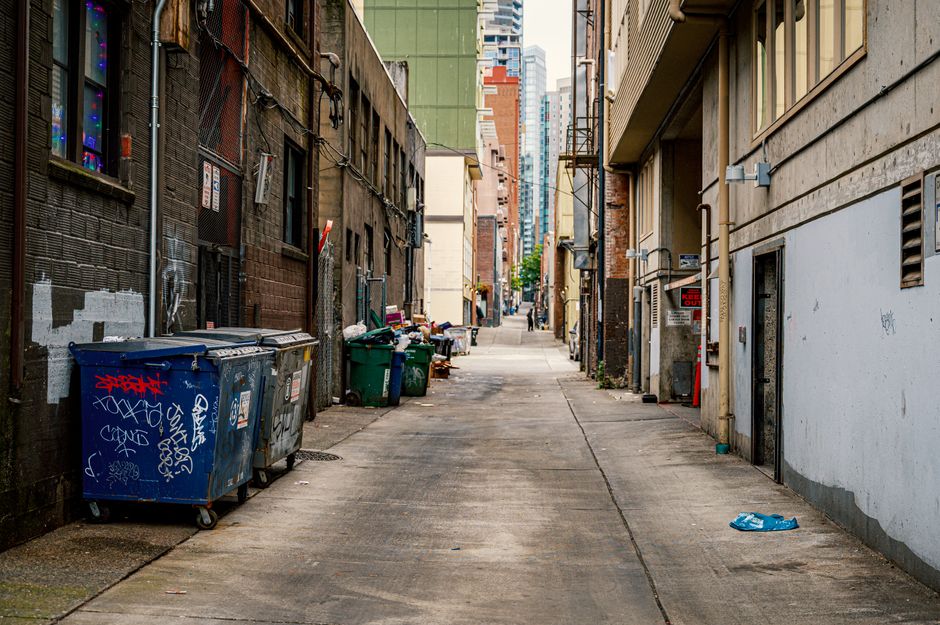
HOAs typically have rules about where dumpsters should be placed, how long they can remain, and whether they can obstruct sidewalks or streets. In narrow streets with tightly driveway safe dumpster spaced homes, finding an optimal dumpster placement that complies with HOA requirements and leaves driveway access clear can be tricky.
- Driveway blockage: Dumpsters placed over your or neighbor’s driveways block vehicle access and cause frustration.
- Street congestion: Narrow roads can quickly become obstructed if dumpsters are poorly positioned.
- HOA fines: Improper dumpster placement can result in fines or forced removal.
- Neighbor dissatisfaction: Noise, debris, and visual impact can irritate neighbors already living close by.
Protecting Your Driveway with Hardwood Boards
One common concern when renting a dumpster on a residential street or driveway is preventing damage. Dumpsters can weigh several tons and often get placed on concrete, asphalt, or even grassy areas — putting your driveway or yard at risk.
Here’s a pro tip from the field: use hardwood boards under the dumpster’s contact points to protect your driveway surface and grass. Hardwood boards distribute weight more evenly and prevent deep indentations, cracks, or stains.
Steps to Protect Your Driveway:
- Discuss protection options with your rental company: Many professional dumpster rental fleets provide hardwood boards as part of the service at no or minimal charge.
- Lay boards evenly: Place multiple thick hardwood planks under the dumpster’s wheels or edges before placement.
- Inspect after pickup: Take photos before, during, and after dumpster placement to document condition.
This simple precaution not only helps keep your property damage-free, but also reassures your neighbors that you’re conscientious about the neighborhood.
Dumpster Sizing for Real Remodeling Projects
Choosing the right dumpster size is essential. Oversized dumpsters block more space than needed, while undersized dumpsters create multiple trips or overflowing debris.
Local remodeling pros recommend sizing dumpsters based on the actual volume of waste expected — not just estimates. Here are common dumpster sizes and approximate project matches in residential remodeling:
Dumpster Size Approximate Capacity Typical Project Types 10 Yard About 3 pickup trucks full Small kitchen/bath remodel, minor roof tear-off, yard debris cleanout 15 Yard About 4-5 pickup trucks full Whole bathroom remodel, partial roof tear-off, garage cleanout 20 Yard About 6-7 pickup trucks full Full kitchen remodel, major demo, roof replacement, larger cleanouts 30 Yard About 9-10 pickup trucks full Home additions, major teardown, multi-room remodelsEver notice how be realistic and communicate your waste type and amount honestly to the rental company — many renters overshoot dumpster size “just in case” but end up facing tight street situations and driver access issues in tight hoa streets.
Flat-Rate Pricing and Fee Transparency
Nothing causes neighborly tension like surprise fees or extended dumpster stays beyond the HOA-approved window. Many national dumpster brokers use complex pricing structures with hidden “overweight” or “extra day” fees that confuse renters.
Here's why going local is often better in tight HOA communities:
- Flat-rate pricing: Many local companies offer straightforward flat rates inclusive of delivery, pickup, permit assistance, and specified rental periods.
- Clear fee explanation: Local operators tend to explain upfront whether extra days, weight, or prohibited materials will trigger fees.
- HOA compliance support: Local companies familiar with Hampton Roads HOAs can guide you on placement rules and permit requirements.
Tips to Ensure Pricing Transparency:
- Request a written quote itemizing delivery, rental days, pickup, and weight limits.
- Clarify rental period and fees for extensions.
- Ask about prohibited material policies (e.g., hazardous waste, electronics).
- Check for any HOA permit facilitation or extra charges.
Coordinating Pickup Timing to Keep Driveways Clear
Dumpsters that remain on the street or driveway past scheduled pickup dates frustrate neighbors, obstruct vehicles, and sometimes violate HOA rules. A key to keeping neighbors happy is proactive coordination of pickup timing.
Consider these best practices:
- Schedule pickup well in advance: Book the pickup date before your dumpster delivery so the rental company can plan accordingly.
- Communicate work phases: Know when debris will stop accumulating and arrange pickup accordingly—do not let the dumpster overstay.
- Alert neighbors: A simple note or message explaining the dumpster’s arrival, location, and pickup date shows goodwill.
- Stay in close contact: Confirm the pickup one or two days in advance and immediately after to ensure timely removal.
Example Schedule for Dumpster Rental on a Tight HOA Street:
- Week 1: Dumpster delivered with hardwood driveway protection boards.
- Days 2–7: Debris regularly added on workdays.
- Day 8: Notify neighbors about site cleanup and dumpster removal.
- Day 9: Dumpster picked up — no obstruction remains.
This rhythm respects neighbors’ normal street usage and prevents complaints about parked dumpsters blocking spaces or driveway access.
Local Fleet vs National Brokers: Which Is Better for HOA Dumpster Placement?
National dumpster rental brokers can sometimes offer competitive pricing but often work through subcontractors and have less familiarity with local neighborhood specifics and HOA Covenants, Conditions & Restrictions (CC&Rs). They may also not provide the level of customer service needed in tight community settings.
In contrast, local dumpster companies typically offer advantages that lead to smoother HOA dumpster placement experiences:
- Personalized service: Local dispatchers and drivers often know local streets, HOA rules, and community expectations.
- Faster responses: Local fleets can adapt pickup schedules faster if needed.
- Driveway protection included: More likely to provide hardwood boards and damage mitigation without extra fees.
- Permit assistance: Experienced with local permit processes and HOA approvals.
- Transparent pricing: Less likely to have hidden fees and surprise extensions.
Working with a reputable local company willing to discuss your project requirements up front is highly recommended in tight HOA communities to maintain collaboration and neighborhood goodwill.
Summary: Action Plan for a Neighbor-Friendly Dumpster Rental
Here’s a quick checklist to keep your neighborhood happy during your dumpster rental on a tight HOA street:
- Check HOA dumpster placement rules early. Get any required permits or approvals before delivery.
- Choose the right dumpster size. Base your choice on realistic waste volume to avoid oversized units.
- Insist on driveway protection. Use hardwood boards under the dumpster to protect surfaces.
- Select a local rental company. Prefer flat-rate pricing and transparent fees.
- Communicate clearly with neighbors. Let them know the dumpster’s location, use period, and pickup timing.
- Coordinate delivery and pickup timing. Schedule pickups promptly to prevent obstruction.
- Document conditions. Take photos before and after placement to address any damage concerns.
With careful planning and respect for your community’s needs, your remodeling project can proceed smoothly without causing neighbor friction or HOA fines. Paying attention to these details creates goodwill—making your project more rewarding for everyone involved.
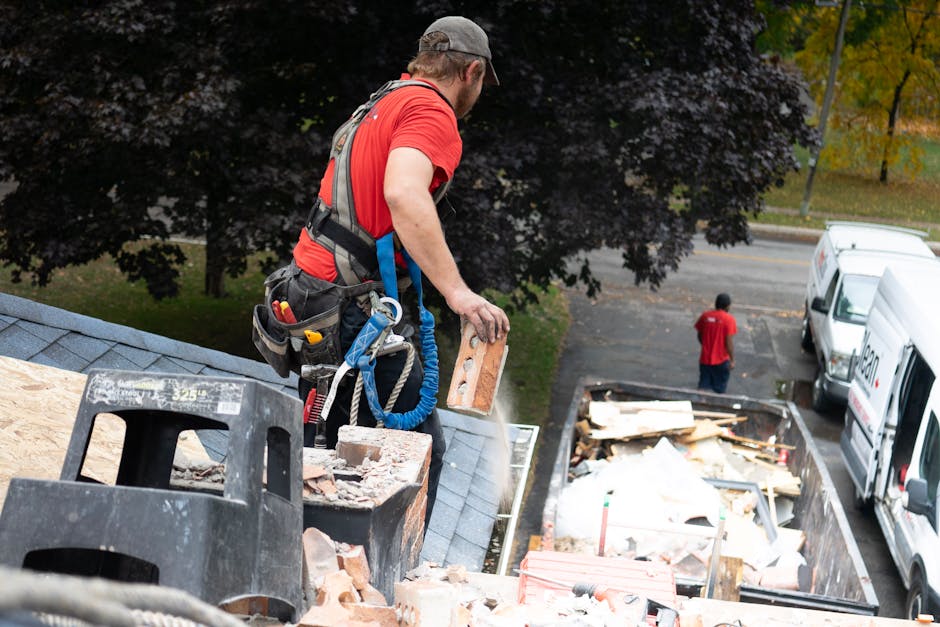
Written by a former Hampton Roads residential remodeling project manager with over a decade coordinating dumpster rentals, roofing tear-offs, and cleanouts in Virginia Beach and Chesapeake.