Do MRCOOL Prices Change a Lot with Sales and Promotions?
If you’re like me—a home-improvement enthusiast and mom juggling family comfort with a budget—you’ve probably noticed how elusive real pricing can be when shopping for DIY mini splits. After years of battling unreliable portable AC units and living with a broken whole-house system, I finally dove into researching mini splits seriously. And if you’re here, you’re probably wondering about the true cost of quality brands like MRCOOL, how much their prices fluctuate, and how to compare that to dealers and retailers like Zone Air and Home Depot.
In this post, I'll unpack the reality behind dealer promotions, retail price swings, and the direct-to-consumer strategy MRCOOL employs. Plus, I'll clear up questions around efficiency ratings like SEER2 and HSPF2, explain why cold climate heating specs matter (especially down to -13°F!), and what you really get for the price, including handy features like pre-charged line sets and quick connect fittings. No hand-wavy marketing talk here—just solid facts and practical advice.
Understanding the DIY Mini Split Market: Dealer Network vs. Direct-to-Consumer
Before digging into price specifics, it’s important to grasp the fundamental business models in the mini split world. MRCOOL is famous for their direct-to-consumer approach. This means they sell their units primarily online or via select retail partners without involving a large dealer network. On the other hand, companies like Zone Air often operate through dealers, and Home Depot is a major retail player that stocks multiple brands.
What this means for you:
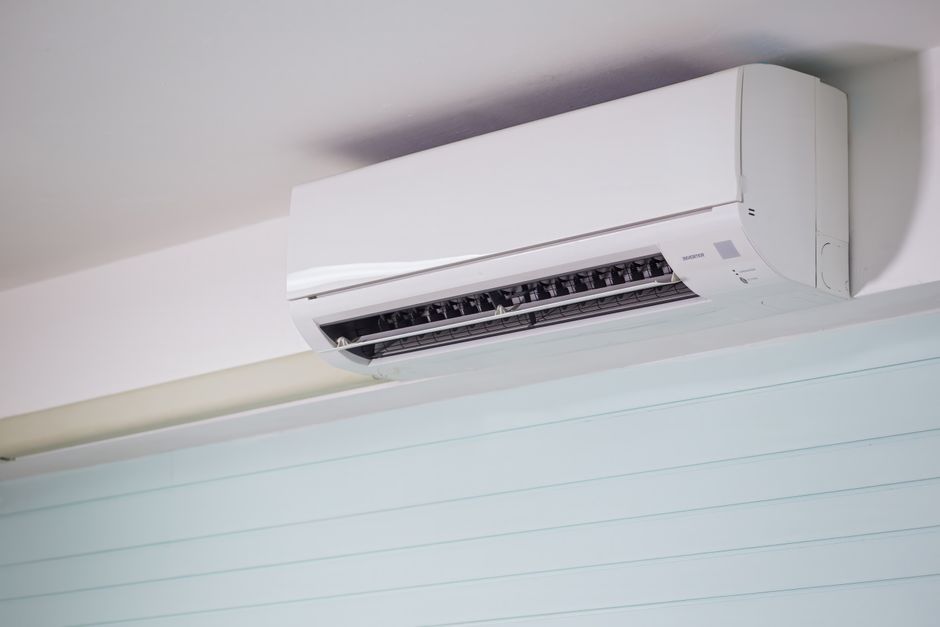
- Direct-to-consumer brands like MRCOOL often can keep costs lower because they cut out dealer markups. Plus, they design their systems with DIY installation in mind—think pre-charged line sets that simplify setup and quick connect fittings that avoid the copper coil spaghetti nightmare behind the condenser (trust me, that’s a real pet peeve of mine).
- Dealer networks may offer hands-on support and local warranty service but usually at the cost of higher pricing. Dealers often run their own sales and promotions, which can make prices fluctuate more significantly.
So while MRCOOL’s retail price stays relatively stable, companies working through dealers can see more pronounced jumps and dips driven by promotions and stock levels.
Do MRCOOL Prices Change a Lot with Sales and Promotions?
The short answer: Not much, comparatively. MRCOOL tends to price their mini splits consistently due to the direct nature of their sales. You might find occasional seasonal discounts or bundle deals offered by retailers like Home Depot or specialist resellers, but the swings are typically modest—like 5-10% off during holiday sales.
Contrast that with dealer-marketed brands, which can see pricing changes of 15-20% or more during promotions. These variations happen because dealers mark up prices initially and then slash them aggressively to attract business in slow seasons.
Here’s a concrete price example to set expectations:
Item Vendor Regular Price Sale Price (Example) Zone Air 12K BTU Single Zone (230V) Zone Air (Dealer Network) $2,049.99 $1,849.99 (Holiday Sale) MRCOOL DIY 12K BTU Single Zone MRCOOL (Direct) ~$1,799 - $1,899 ~$1,699 - $1,799 (Occasional Promotions)Notice how the dealer’s baseline price is higher, and although it may dip during sales, those discounts are not always predictable. MRCOOL’s pricing is steadier but slightly less “flashy” on sales.

Comparing Everyday Pricing: Where’s the Best Value?
If you want honest-to-goodness value, factor in not just the sticker price but how much you save on installation and future energy bills.
- Pre-charged line sets from MRCOOL are a game-changer for DIYers. They eliminate the need to find an HVAC specialist just to vacuum and charge the refrigerant lines. This is a real time and money saver if you’re handy but not certified for HVAC work.
- Quick connect fittings cut down on the complicated copper coil headaches behind outdoor condensers. Anyone who’s wrestled with twisted or coiled copper knows this alone is worth a premium—it’s several hours saved and less frustration.
Zone Air and other dealer-centric brands sometimes require you to handle these details yourself or pay extra for professional setup, inflating the true cost beyond the sale price.
Efficiency Matters: What SEER2 and HSPF2 Really Mean
I encounter so many specifications that get tossed around vaguely—"super efficient!," "save tons on bills!," but what does that mean in real-world terms? Here’s a plain-English breakdown.
- SEER2 (Seasonal Energy Efficiency Ratio version 2) measures how efficiently the air conditioner cools your home over a season under the latest testing standards—higher is better. MRCOOL’s newer models advertise official SEER2 ratings, reflecting improved lab methods and providing a trustworthy number.
- HSPF2 (Heating Seasonal Performance Factor version 2)
For DIY buyers, transparency about SEER2 and HSPF2 is refreshing. MRCOOL provides these official ratings, whereas other brands sometimes rely on older SEER/HSPF standards or hype without updated certifications. If the specs don’t reference SEER2/HSPF2, I advise caution: marketing speak often masks overestimated efficiency claims.
Mini Splits for Cold Climate Heating: Down to -13°F and Beyond
If you live anywhere that dips below freezing regularly, you want a system that can heat efficiently without needing a backup heater. MRCOOL’s cold climate models advertise operation down to around -13°F (-25°C). This means the heat pump can recover heating capacity, keeping your home cozy without resorting to noisy electric resistance strips.
Zone Air and others may have similar ratings, but keep in mind: actual performance depends on installation quality and system sizing. This is one area where DIYers should be extra careful. Don’t buy a unit rated for mild winters if you’re facing brutal cold! On the flip side, MRCOOL’s direct approach lets you easily find and compare models designed for cold weather without dealer confusion.
What I’d Do in a "Real House" Scenario
mini split line set extension leakIf I had a real house (not one I’m still repairing in between sock thefts and school runs), here’s my plan, based on what I’ve learned:
- Choose a direct-to-consumer brand like MRCOOL for pricing transparency and DIY-friendly features (pre-charged line sets, quick connects).
- Compare models emphasizing official SEER2 and HSPF2 ratings for verified efficiency.
- Pick a cold climate model if you live where winter temps go below freezing regularly.
- Watch for modest MRCOOL sales during major holidays or Home Depot promotions but don’t wait endlessly hoping for steep discounts. The price difference is often not dramatic.
- Avoid dealer offers that seem too good to be true, especially if installation service or warranty coverage is vague or requires extra fees.
Final Thoughts: Be a Savvy Shopper, Not a Bargain Chaser
Dealer promotions and retail price swings can be tempting, but for DIY mini splits, steady and transparent pricing like MRCOOL’s often leads to better value in the long run. Factor in the ease of installation with pre-charged line sets and quick connect fittings—these features do more for your wallet and sanity than an unpredictable 15% off coupon.
Efficiency ratings matter. Demand SEER2 and HSPF2 numbers to avoid marketing fluff. And if you’re in a cold climate, confirm your mini split can handle extended freezing temperatures without backup heat.
In summary, MRCOOL prices don’t dramatically bounce around, but they do occasionally dip during known sale periods. Dealer network brands like Zone Air might offer bigger discounts from a higher baseline, but that’s often offset by confusing pricing and extra installation costs.
Remember, no list price tells the whole story with mini splits—consider the installation, the tech features, and the cold-weather specs when choosing your next cooling and heating upgrade.
Happy DIY Cooling (and heating) adventures!
— A Mom Who’s Paid Her Dues with Broken ACs and Failed Portable Units