Do I Really Need to Update Voter Registration When I Move?
Moving to a new home is a whirlwind of logistics, expenses, and to-do lists. Among the many administrative tasks vying for your attention, updating your voter registration often gets pushed to the bottom of the pile—or skipped altogether. But is it really necessary to update your voter registration address when you move? Spoiler alert: yes, it is. Not only does it keep your civic engagement seamless, but it also ensures compliance with local laws and helps you avoid a surprise come election day.
In this comprehensive guide, we'll walk you through why updating your voter registration address change is crucial, how it fits into the bigger picture of moving admin tasks, and practical tips to manage the process smoothly. We’ll also cover how to budget effectively for your move, the benefits of decluttering, and how to navigate common hidden fees when working with moving companies like Southside Moving. Plus, we’ll share actionable insights on using online selling platforms and making phone calls to providers and movers to streamline your transition.
Why You Must Update Your Voter Registration When You Move
Changing your voter registration address is more than just a bureaucratic box moving essentials box checklist to check; it’s essential for maintaining your right to vote in your new location. Here's why:

- Legal Requirement: Many states legally require you to update your voter registration when you move. Failure to do so might mean you’re not eligible to vote at your new address.
- Proof of Residency: Updated voter registration can serve as one of the most reliable proofs of residency for everything from driver's license renewal to school enrollment.
- Continuity in Voting: It guarantees that you receive the correct election ballots and notifications, preventing confusion or disenfranchisement.
- Avoid Provisional Ballots: Voting with outdated registration often triggers provisional ballots, causing delays and sometimes doubts about the acceptance of your vote.
Common Questions About Voter Registration Address Changes
- When should I update? Ideally, update within 30 days of your move, or according to your state's deadlines before elections.
- How do I update? Many states allow online updates, but you can also submit forms by mail or update in person.
- Do I need proof? This varies. Some states require proof of residency like a utility bill or lease agreement. Updated voter registration itself is often accepted as proof for other services.
Where Does Voter Registration Fit Into Your Moving Admin Tasks?
When you’re moving, there’s a long list of administrative tasks competing for your time and mental space:
- Switching utilities (water, electricity, internet)
- Forwarding your mail
- Updating your driver's license
- Changing your address on bank accounts and subscriptions
- Updating voter registration
It's easy to under-prioritize voter registration, especially when it's not a physical task like packing or transferring utilities. But consider it an essential checkpoint in your 8-week planning timeline to keep your move organized. Here’s a sample timeline:
Weeks Before Move Tasks 8 Weeks Book moving company like Southside Moving, start decluttering, notify landlord or real estate agent 6 Weeks Update addresses for subscriptions, start using and selling unwanted items on online selling platforms 4 Weeks Schedule utility shut-offs and set-ups, update voter registration online or by mail 2 Weeks Confirm moving details, make phone calls to providers, gather proof of residency documents Move Week Finalize packing, complete moving day tasks, do post-move notificationsBudgeting With Real Moving Costs in Mind
Moving isn’t free. According to industry averages, a local move typically costs around $1,250, depending on distance, size of the move, and services rendered. Moving companies like Southside Moving offer written quotes—always insist on them and compare carefully.
Beware of Hidden Fees
A big pet peeve of mine after managing 200+ moves is when customers only get rough estimates and are surprised by “hidden” fees at move day. Here are a few sneaky charges to watch out for:
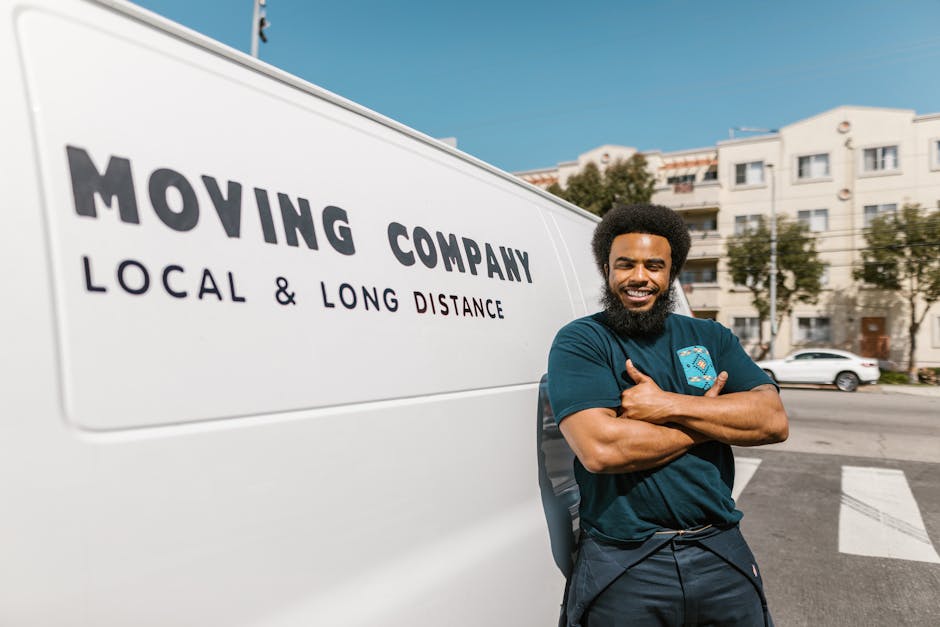
- Long carry fees: If movers have to walk a long distance from the truck to your door.
- Stairs fees: More than a few flights of stairs can add hefty fees.
- Elevator or shuttle fees: In some condos or apartment complexes.
- Packing materials: Boxes, tape, and protective wraps often add up.
Get these specifics confirmed in your written moving quote. Comparing quotes from multiple reputable movers will save you money and headache.
Decluttering to Lighten Your Load and Your Bill
Heavier moves cost more. The more you have, the higher the price. Decluttering before your move can save you hundreds of dollars and days of packing. Here’s how to get started:
- Sort: Go room-by-room and decide what you want to keep, donate, sell, or throw away.
- Sell bigger items: Use online selling platforms to get rid of furniture or appliances that won’t make sense in your new home.
- Donate: Items in good condition can go to local charities.
- Recycle or dispose: For items beyond repair or use.
Less stuff equals less weight, simpler packing, and lower moving costs. It’s a win-win.
How Phone Calls and Online Tools Ease Your Moving Workflow
Planning a move doesn’t have to feel like herding cats. Using a mix of well-chosen tools and old-fashioned phone calls helps keep the chaos manageable:
- Online Selling Platforms: Websites and apps where you can list unwanted furniture or boxes before your move. This reduces load weight and adds some extra cash.
- Phone Calls: Call your utility providers, movers like Southside Moving, and local government to confirm all changes and paperwork. Schedules slip easily, so double-checking is key.
- Utility Scheduling: Schedule utility turn-offs and turn-ons at least two weeks before moving—no exceptions. This keeps your new home comfortable and your old one from racking up bills.
Consulting trusted resources like The Pinnacle List can also provide valuable tips on moving services and best practices in your area.
Proof of Residency and Voter Registration
Most states require proof of residency to update your voter registration. Commonly accepted documents include:
- Utility bills in your name at the new address
- Lease or mortgage documents
- Driver's license or state ID card showing the new address
- Voter registration confirmation itself once updated
Having these documents ready will streamline both your voter registration update and other essential tasks such as changing your driver's license.
Summary: Your Moving To-Do Checklist
Task Timeline Notes Book reputable moving company (e.g., Southside Moving) 8 weeks before Get written quotes; watch for hidden fees Declutter and sell unwanted items online 6-8 weeks before Reduce moving costs and packing stress Schedule utility shut-offs and start-ups 4 weeks before Confirm dates by phone; no late changes! Update voter registration address 4 weeks before Use online portals or mail; prepare proof of residency Notify banks, subscriptions, and providers 4 weeks before Coordinate to avoid service interruptionsFinal Thoughts
Updating your voter registration address when you move isn’t just a courtesy—it’s a critical part of staying engaged and ensuring your civic rights aren’t interrupted. When combined with thoughtful budgeting, decluttering, and an organized 8-week plan, this administrative task becomes just another manageable step in a well-executed move.
For those overwhelmed by the process, companies like Southside Moving provide excellent support. For inspiration and additional tips, consult resources such as The Pinnacle List. And remember: use online selling platforms to lighten your load, call your providers to stay on track, and don’t skip the small details—fees that don’t get asked about early will bite you later.
Happy moving—and happy voting!